


TL;DR
- Phonics is the broader system that teaches how letters map to sounds.
- Digraphs are a key part of phonics, where two letters represent one sound.
- Both are essential for reading fluency, spelling, and confidence.
- Research in Australia shows that systematic phonics instruction improves literacy outcomes.
- Tools like LiteracyPlanet make phonics and digraph practice engaging and effective.
Learning to read can feel like solving a puzzle. Letters, sounds, and patterns must connect before the pieces make sense. Two terms that often appear in this journey are phonics and digraphs. They’re closely related, but not identical. Understanding how they work together helps parents and teachers guide children with more confidence and support.

What is Phonics?
Phonics is the foundation of early literacy. It teaches children the relationship between written letters and the sounds they make. By understanding these connections, students learn to decode unfamiliar words, spell accurately, and develop reading fluency.
For example:
- The letter b makes the /b/ sound, as in bat.
- The letter c can make the /k/ sound, as in cat, or the /s/ sound, as in city.
Phonics instruction often starts with single-letter sounds and gradually introduces more complex patterns such as blends and digraphs.
In Australia, evidence strongly supports systematic phonics instruction as one of the most effective methods for teaching reading. A Grattan Institute report found that around one-third of students are not reading proficiently and recommended structured approaches like phonics to close the gap. Similarly, the NSW Centre for Education Statistics and Evaluation highlights that explicit phonics teaching improves reading, spelling, and comprehension outcomes.
What is a Digraph?
A digraph is a specific part of phonics learning. It refers to two letters that come together to make one sound.
Examples include:
- sh in ship
- ch in chair
- th in thin or this
- ea in bead or bread
Unlike a blend, where each letter keeps its sound (like bl in blue), a digraph merges the two letters into one sound. For teachers and parents, it helps to think of digraphs as one of the key building blocks inside the larger phonics system.
If you’d like to explore the topic further, we also explain the difference between blends and digraphs in a separate guide.

How Do Phonics and Digraphs Work Together?
Phonics is the big picture: teaching the rules of how sounds map to letters. Digraphs are one of the stepping stones inside that framework.
When a child sees the word chair:
- Phonics helps them understand that letters represent sounds.
- Their knowledge of digraphs tells them that ch makes a single sound, not two separate ones.
This combination allows them to decode the word accurately and with confidence.
Why Understanding the Difference Matters
Knowing how phonics and digraphs fit together has practical benefits:
- For teachers – It helps structure lessons, starting with basic phonics and introducing more complex concepts like digraphs.
- For parents – It explains why a child might stumble on words such as ship or bread. The challenge isn’t the alphabet but recognising that two letters sometimes combine into a single sound.
This is particularly relevant in Australia, where NAPLAN results show that one in three students fail to meet literacy benchmarks. Supporting children with strong phonics and digraph instruction early on can prevent these gaps from widening as they progress through school. You can also explore tips on preparing for NAPLAN literacy to provide extra support at home.

Common Challenges with Phonics and Digraphs
Children often face hurdles along the way, including:
- Confusing blends and digraphs: A blend like cr in crab still has two sounds, whereas a digraph like sh has one.
- Sound variations: The digraph th can be voiced (this, them) or unvoiced (thin, bath), which can be tricky.
- Overgeneralisation: Students may assume one rule applies to every word, such as pronouncing ea as /ee/ in both bead and bread.
These challenges are typical, highlighting why consistent practice and clear explanations are so important.
Strategies for Teaching Phonics and Digraphs
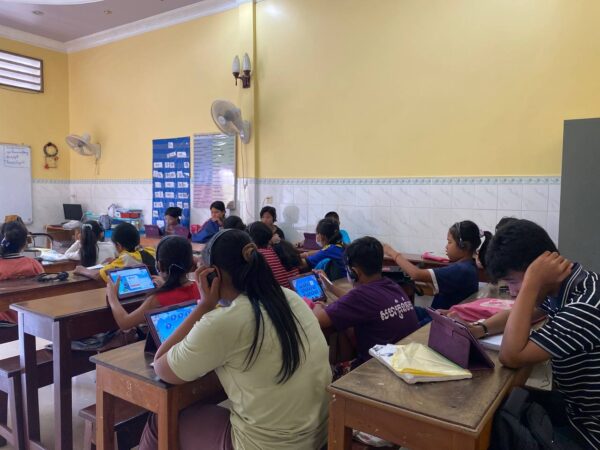
The best results come when phonics instruction is explicit, structured, and reinforced through enjoyable practice.
In the Classroom
Teachers introduce phonics in the Foundation year, then gradually move to digraphs in Year 1. Structured teaching ensures that children develop decoding skills step by step. Evidence from an Australian study in Victoria also found that teaching phonics and digraphs within rich language contexts improves reading and writing outcomes.
At Home
Parents can help by:
- Reading aloud and pointing out digraphs in everyday words.
- Playing simple phonics games like sorting word cards into sound groups.
- Encouraging children to write words that contain the digraphs they are learning.
If you’re looking for simple phonics activities for kids, games and everyday practice work wonders.
How LiteracyPlanet Helps
LiteracyPlanet makes phonics and digraph learning interactive and rewarding:
- Phonics games link letters to sounds with instant feedback.
- Sight Word Missions introduce common digraph words through engaging quests.
- Word Morph shows how changing letters and digraphs alters word meaning, building decoding and spelling skills.
Teachers save time with ready-made lessons and real-time reporting, while parents see progress through easy-to-read insights. Students stay motivated because practice feels like play, not work.

Building Confident Readers
Phonics gives children the framework to connect letters and sounds. Digraphs expand that framework, helping them tackle more complex words with ease. When students master both, their reading, spelling, and confidence grow rapidly.
With curriculum-aligned lessons, engaging activities, and proven results, LiteracyPlanet supports children on every step of their literacy journey. From phonics basics to mastering digraphs, the LiteracyPlanet platform makes learning practical, rewarding, and enjoyable for learners worldwide.
FAQs
At what age should children start learning phonics?
Phonics usually begins in the first year of school (Foundation/Prep). Children start with single sounds before moving on to blends and digraphs in Year 1.
How are digraphs different from blends?
A digraph is two letters making one sound, like sh in ship. A blend has two letters where both sounds are heard, like bl in blue.
Why is phonics important for NAPLAN?
Strong phonics skills help children decode words quickly, which improves comprehension. This directly supports reading, spelling, and grammar assessed in NAPLAN literacy tests.
How can parents help at home?
Read aloud together, highlight digraphs in words, and encourage practice through simple games. Interactive resources like LiteracyPlanet also make phonics activities for kids engaging and effective.