By
Julia Funk
Literacy, Education
12 June 2026
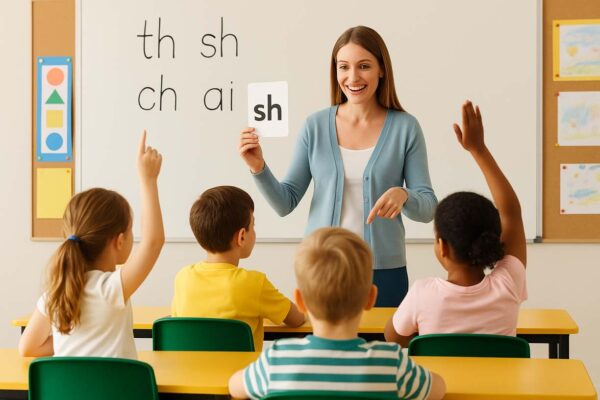
Phonics is the process of learning how letters and groups of letters connect to the sounds of spoken language. That knowledge helps children decode written words, build confidence in spelling, Read more…

By
Julia Funk
Education, Literacy
18 May 2026
TL;DR Secondary students still need explicit literacy support, especially when gaps in reading, vocabulary, spelling or comprehension affect learning across subjects. Effective strategies for Years 7 to 10 should feel Read more…

By
Julia Funk
Digital Literacy, Education
28 April 2026
For young teenagers, LiteracyPlanet is a stockpile of activities that can elevate their learning journey in a fun and engaging way, even if they think they’re too cool for school Read more…

By
Julia Funk
Digital Literacy, Education, Literacy
22 April 2026
TL;DR Reading comprehension is central to the NSW English syllabus and develops progressively across primary school. Early comprehension is built through oral language, shared reading, and guided talk about texts. Read more…
By
Julia Funk
Digital Literacy, Education, Literacy
22 April 2026
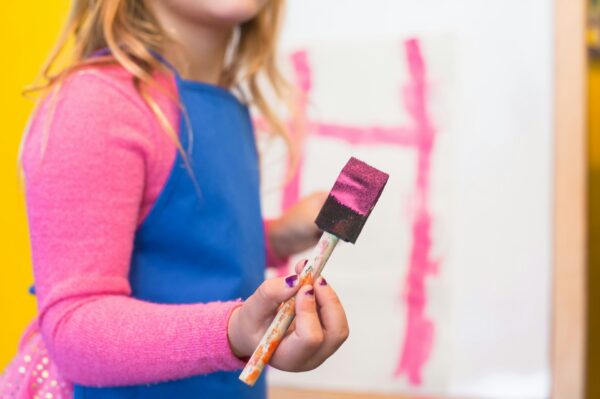
TL;DR Decoding is the foundation of reading, but comprehension is the goal. As word recognition becomes more automatic, children can give more attention to meaning and ideas. Gamified practice helps Read more…

By
Julia Funk
Education, Digital Literacy, Literacy
30 March 2026
TL;DR Spelling is explicitly embedded in the NSW English syllabus as part of broader literacy development. Students progress from phoneme-grapheme knowledge to spelling patterns to morphology across primary school. Effective Read more…

By
Julia Funk
Education, Literacy
30 March 2026
TL;DR Weekly spelling lists can build short-term recall, but rarely enough for lasting confidence. Children remember words more reliably when they encounter them repeatedly and in varied ways. Motivation matters: Read more…

By
Julia Funk
Guides and Tutorials, Literacy
18 February 2026
Phonics shapes the earliest steps children take toward reading, yet at home it can sometimes feel like a balance between what children need to practise and what they feel motivated Read more…

By
Julia Funk
Literacy, Digital Literacy
18 February 2026
What Teachers Need to Know About Explicit Phonics Instruction Phonics sits at the heart of early reading in NSW classrooms, shaping how young learners connect sounds to print and build Read more…
By
Julia Funk
Guides and Tutorials
3 February 2026
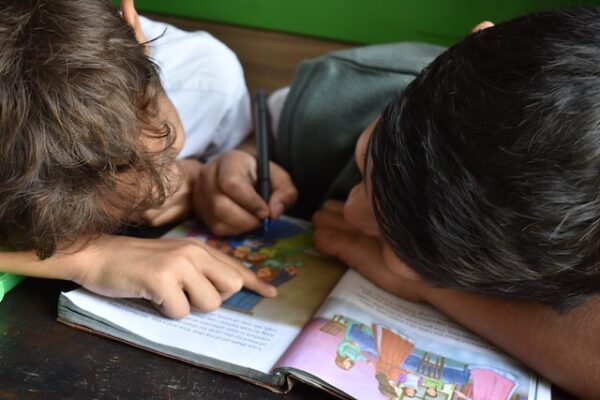
Supporting literacy at home can feel overwhelming, especially when you are unsure how reading and writing are taught today. Many parents worry about doing the “wrong” thing, correcting too much, Read more…
By
Julia Funk
Guides and Tutorials
3 February 2026
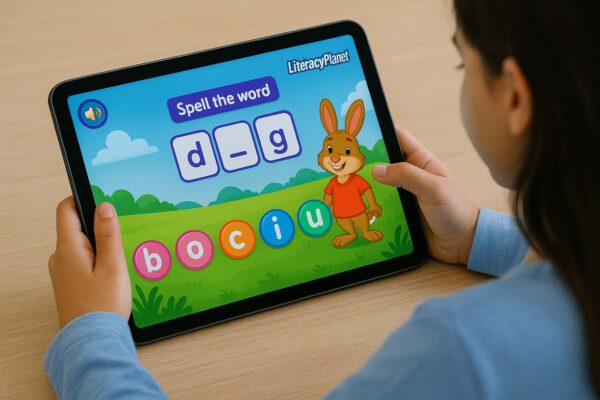
Grammar can sometimes feel like a list of rules to remember, but teaching grammar to children works best when those rules appear in meaningful reading, writing and conversation. Young learners Read more…
By
Julia Funk
Guides and Tutorials
12 December 2025
Early reading is an exciting stage of learning. Children begin noticing words everywhere and start piecing together how language works. Sight words, which appear frequently in early readers, play a Read more…

By
Julia Funk
Guides and Tutorials
12 December 2025
Reading comprehension is more than recalling what happened in a story. It is the ability to make sense of ideas, connect information and form opinions about what we read. Many Read more…

By
Julia Funk
Digital Literacy, Guides and Tutorials, Literacy
8 December 2025
Most students know the routine. On Monday, they receive a spelling list, they practise it during the week, and on Friday, they complete a quiz. By Monday morning, many of Read more…
By
Julia Funk
Digital Literacy, Education, Guides and Tutorials, Literacy
8 December 2025
Across Australia, literacy instruction continues to evolve as schools refine their approaches and teachers work to align practice with the most reliable research. Although curriculum expectations and assessment requirements have Read more…
By
Julia Funk
Guides and Tutorials, Digital Literacy, Education, Literacy
13 November 2025
Preparing for NAPLAN Literacy can feel like a big step for both children and parents. You want your child to feel confident, not pressured, and to see the test as Read more…

By
Julia Funk
Literacy
13 November 2025
Phonics builds the foundation for confident reading and spelling. Games that combine sound, movement and repetition make learning stick. Short, regular sessions deliver the best results. LiteracyPlanet’s Phonics Missions support Read more…
By
Julia Funk
Guides and Tutorials, Literacy
10 October 2025
TL;DR Around one in three Australian students is below literacy benchmarks. States like Victoria are introducing daily systematic phonics lessons. Research from Evidence for Learning and Macquarie University proves explicit Read more…

By
Julia Funk
Guides and Tutorials, Literacy
2 October 2025
TL;DR Phonemes: smallest sound units (e.g. /m/, /sh/). Digraphs: two letters making one sound (e.g. sh, ch). Blends: two or more letters where both sounds are heard (e.g. bl, st). Read more…

By
Julia Funk
Literacy, Guides and Tutorials
2 October 2025
TL;DR Phonics is the broader system that teaches how letters map to sounds. Digraphs are a key part of phonics, where two letters represent one sound. Both are essential for Read more…