



TL;DR
- Phonemes: smallest sound units (e.g. /m/, /sh/).
- Digraphs: two letters making one sound (e.g. sh, ch).
- Blends: two or more letters where both sounds are heard (e.g. bl, st).
- Beyond: trigraphs, diphthongs, and morphology expand skills further.
- Together, these building blocks are essential for confident reading and spelling.
- LiteracyPlanet makes practice fun and effective through interactive games and missions.
Learning to read doesn’t happen all at once. It’s built step by step, with each new skill laying the foundation for the next. Understanding the key building blocks of reading helps teachers and parents explain why certain concepts are taught in sequence and why children sometimes stumble along the way.
The four most important concepts are phonemes, digraphs, blends, and beyond. Let’s explore what each means, how they connect, and how you can support children as they develop these skills.
What Are Phonemes?
A phoneme is the smallest unit of sound in spoken language. English has around 44 phonemes, though there are only 26 letters in the alphabet.
Examples:
- /m/ as in man
- /sh/ as in ship
- /ai/ as in rain
Phonemes form the foundation of phonics. By teaching children to recognise and manipulate phonemes, we give them the tools to decode unfamiliar words and spell accurately.
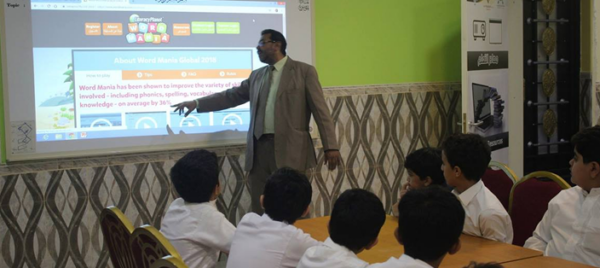
Activities for phonemes
- Sound matching games (find words that start with the same sound).
- Clapping out the phonemes in short words.
- Using apps or flashcards to practise recognising and blending sounds.
Research note: According to Phonemic Awareness Overview (Literacy Hub), phonemic awareness, the ability to recognise and manipulate individual speech sounds, is a key part of effective phonics programs
What Are Digraphs?
A digraph is when two letters combine to represent a single sound. They’re one of the more advanced building blocks children encounter after mastering simple phonemes.
Examples:
- sh in ship
- ch in chip
- th in this or thin
- ea in bead or bread
Unlike blends, which keep two distinct sounds, digraphs merge into one.
Activities for digraphs
- Word hunts for specific digraphs in books.
- Sorting games where children group words by digraph sound.
- LiteracyPlanet’s Sight Word Missions and phonics games introduce digraphs through interactive challenges.
You can explore the difference between phonics and digraphs for a deeper dive.

What Are Blends?
A blend is when two or more consonants are combined, but each sound is still heard. This makes them different from digraphs.
Examples:
- bl in blue
- cr in crab
- st in stop
Blends are standard in everyday words and often appear in the early stages of reading once children are comfortable with single phonemes.
Activities for blends
- Creating word lists for each blend (e.g. blue, black, block).
- Picture matching (e.g. placing a star image under the st blend card).
- Using interactive phonics games that highlight blends in context.
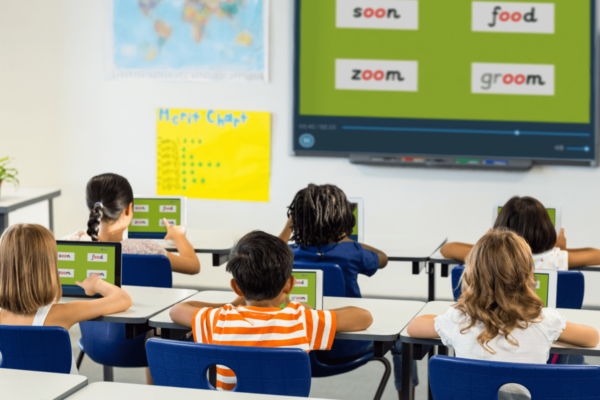
Beyond the Basics: Other Building Blocks
As children move through their literacy journey, they encounter more complex sound patterns and structures, such as:
- Trigraphs: Three letters representing one sound (e.g. igh in light).
- Diphthongs: Complex vowel sounds that glide from one to another (e.g. oi in coin, ou in cloud).
- Morphology: Understanding roots, prefixes, and suffixes (e.g. un- in undo, -ful in hopeful).
These concepts expand children’s reading and spelling skills, preparing them for richer vocabulary and more advanced comprehension.
How These Concepts Connect in the Reading Journey
Each of these building blocks works together in sequence:
- Phonemes: Children learn to hear and identify individual sounds.
- Blends: They begin combining consonants while keeping the sounds distinct.
- Digraphs: They recognise that two letters can form one new sound.
- Beyond: They encounter trigraphs, diphthongs, and morphological patterns in more complex words.
Together, these skills create confident readers who can decode, spell, and comprehend fluently.
Why These Building Blocks Matter
Australian research emphasises that phonics and phonemic awareness should be central to literacy instruction, yet many classrooms still under-emphasise them. Structured phonics instruction, including explicit teaching of phonemes, blends, and digraphs, can close these gaps and give students the tools to succeed.
A Grattan Institute report calls for consistent phonics-based teaching across Australia to ensure no child is left behind.

How LiteracyPlanet Supports the Building Blocks
LiteracyPlanet brings these concepts to life with engaging, curriculum-aligned activities:
- Phonics games that build phoneme recognition.
- Sight Word Missions that introduce digraphs and high-frequency words.
- Word Morph challenges where blends and digraphs change word meanings.
- Reporting tools that help teachers track mastery and identify areas for focus.
For parents, the platform provides simple ways to practise phonics activities for kids at home, with progress reports that make learning visible. Systematic phonics instruction helps children decode and supports comprehension. One study states that phonics instruction ‘increases their ability to comprehend what they read’.
Building Confident Readers
Phonemes, digraphs, blends, and beyond are the stepping stones of literacy. Each one matters, creating the foundation for lifelong reading and learning.
With curriculum alignment, engaging activities, and proven results, LiteracyPlanet supports children through every stage of their literacy journey. From the first phoneme to advanced comprehension, the building blocks of reading come alive in a motivating and effective way.
FAQs
What is the difference between a blend and a digraph?
A blend has two or more letters where each sound is heard, like bl in blue. A digraph combines two letters into one sound, like sh in ship.
When should children start learning phonemes?
Phonemic awareness is introduced in the early years (Preschool/Prep), starting with recognising sounds in simple words.
How do blends and digraphs prepare children for reading fluency?
They help children decode longer words, build spelling accuracy, and increase confidence when tackling unfamiliar vocabulary.
What resources can parents use to help at home?
Reading aloud, word games, and platforms like LiteracyPlanet provide interactive phonics games and digraph practice that make learning enjoyable.